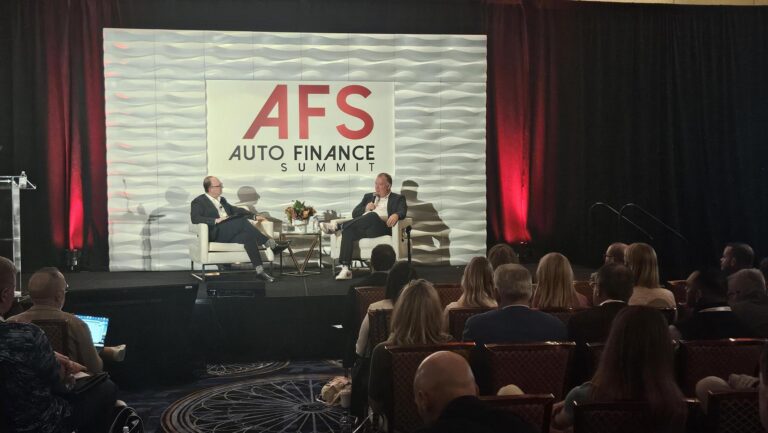
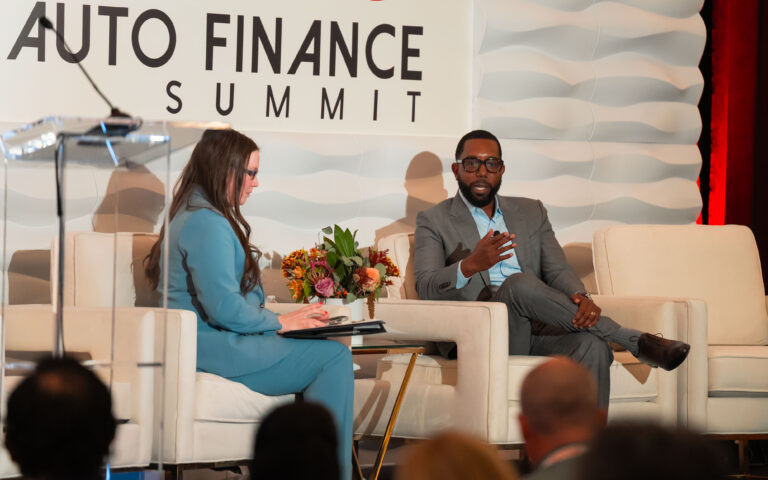
<ul> <li>Which products are selling post-crisis and why?</li> <li>Collaborating with dealer-partners on sales practices</li> <li>Practical tips for better back-office operations and compliance</li> </ul> Presenter: Mark Manzo, President, Insurance, Ally Financial Moderator: Joey Pizzolato, Deputy Editor, Auto Finance News [toggle title="TRANSCRIPT"] <div class="transcript-scroll-box">Joey Pizzolato 00:35 Hello, everyone, and thanks for joining us on demand session on certain times trade opportunity strategies to help dealers boost f&i revenue. I'm Joey Pizzolato, deputy editor of auto finance news, and I'm excited to introduce our first speaker, Mark Manzo, president of insurance and ally financial. Mark was appointed in his role in the spring of 2018, and is responsible for all of allies insurance operations, including consumer products, such as vehicle service contracts, maintenance, contracts, and gap coverage, as well as commercial property and casualty products for dealers. Previously, Manzo, a 30 year industry veteran was Senior Vice President of the central region and strategic alliances for allies auto finance business, responsible for the sales and portfolio management of more than 3000 dealer relationships across 11 states with a commercial portfolio exceeding $8 billion dollars. He was also responsible for leading strategic opportunities and business relationships, including all automotive manufacturer Preferred Provider relationships, as well as other strategic OEM relationships and project. Thanks, Mark, so much for joining us, and I'll hand the floor over to you.Mark Manzo 01:47 Thank you, Joey, great to be with everyone today. Interesting title. The thing about change in the auto industry, especially when there's unexpected change, working with dealers, dealers are very resilient. And they're always looking for opportunity. So I think it's a very relevant topic, uncertain times create opportunities, and working with dealers. They're very quick. They're always looking for individuals to work with, and an ally, when there's an opportunity, we look for ways to lean into it, the pandemic and some of the challenges that it brought, I'll give an example of one opportunity, where they're working with a dealer and learn quite a bit around the f&i business. And it may even though his dealership was closed, the showroom was closed. He sold as many cars as the year before, and actually made more money through cost control and doing things differently. So why don't we talk about change what it looks like, because not all changes are the same the change we're in today and how we lead into it at ally. Just because the same outcomes of declining sales doesn't mean the drivers are the same, to really opportunity to capture the opportunity, truly need to understand the drivers 2008 financial crisis, lack of liquidity. Again, customers couldn't get loans. Manufacturers either cut back or weren't producing, because they had the same challenges and bankruptcies hit some of our manufacturers. Today, it's really about for shut down. Consumers are afraid to go out some dealerships were closed manufacturers were closed, and in the end, lack of production, and sales declined. So if we talk about the opportunity, and some of the drivers around the opportunities, specifically around where we're at today and where we're going to go, we know what the recovery looked like in a weight but we don't assume it's going to look the same for 2020. So we talked about the f&i business, the way the sales are trending, there are some headwinds, there was a lot of stimulus in the market that's starting to dry up a lot of consumers had deferrals on their payments, they're starting to come due. lenders are putting up greater reserves, there's a lot more verification. But there's also a lot of tailwinds as well. There's good momentum in the marketplace around sales. We see unemployment down, interest rates are low. And we're seeing vehicle service contract and gas business picking up along with the sales. Some of the challenges that we've seen around pent up demand that have had some effect. For example, if we look at manufacturing, fuel looked at in April with manufacturing shut down. There's really no cars being produced. That's back up and running much quicker. doing very well suppliers are keeping up. But what we see here is if you look at 2020 the inventory on a lot of the dealerships running about 2.6 less than 2.7 million units that had been up over 3.7 million units. The average is last you know 19 2019 through 2015. So, production is having a little bit of a challenge keeping up because demand is good. We see the outlook for sales continuing to remain strong. But if we look at the consumers in the marketplace today, although there's a demand, they're also looking for security as well. That security that they're looking for keeping the cars repaired, has has created demand for vehicle service contracts. What we had seen in the market, many dealers were looking at increasing their profitability through different structures and the type of contracts they sold as the pandemic hit. We're seeing them focus on how do they sell what they have. And rare really, this is happening through customers a lot that aren't coming into the dealerships. And dealers are doing more online. Also the gap business gap contracts today, because of the supply of new being down used car values are continuing to go up. And if you look around April, they had originally dropped and consumers who have had experience and see the value in the gap product, which is the guaranteed asset protection and negative equity protection. Those customers had greater protection when their vehicles depreciated. And now that the price of used cars is up, what we're saying is those customers that buy at this higher point will be protected from negative equity. As values start to come down and we do project they'll come back down in line but remain slightly over the pre covid prices as we come through and in the next year. Use car values remaining strong, but they're lasting you know, used car values are lasting longer. And customers as they look at the whose values are used cars are looking for ways to make sure they stay on the road. They're interested in vehicle service contracts, we're seeing more customers have experience with them. And the traditional f&i process has has done a really nice job presenting the features and benefits. But with more customers shopping online, we're going to talk about how to how to dealers do a better job selling vehicle service contracts, and get business online. We haven't seen the ancillary business pick up like we have or continue to keep pace, as we did with the vehicle service contracts and gap. We think part of that that's mainly our our business part of that might be due to consumers are more focused on the basics of protecting themselves and keeping the vehicle running, where the ancillaries tend to focus more on, you know, the tire wheel, rim scratch, and the look of the car. But again, if we take a look at opportunities today, at ally, one of the things that we focused on was how do we lean into the market. And in order for our employees to have confidence to lean in and the dealers to have confidence in the consumers to have competence. we first looked at stabilizing, stabilizing how we do business. And number one think about that is our employees. As we looked at our employees and stabilizing the business, we wanted to make sure our employees had the confidence to engage with the customers. And that started with making sure they were safe. We had 99% of our employees working from home, immediately communication, having all the information that they needed their tips, healthcare benefits, and again, just the confidence that they could focus on what they needed to at work without worrying about some of the things they had to take care of in their personal life that might be new challenges. Second, on the stabilization side was our customers. dealers need to feel just as safe and secure. We looked at some of their largest expenses. And we did waivers on floor plan insurance floor plan fees up to 120 days. Same thing on the consumer side, all the things that we felt dealers and customers would be worried about in the short run. We stuck to our long term strategy finding, you know, how do we do it right. And by leaning into the opportunities, what we found was, we could execute better get the dealer's attention and work with them to make a difference in some of the processes that they really needed to change. One I'll give you an example of a dealer in a very small town who changed his process. And dealers don't like to change their processes because especially on the f&i side, when you change the f&i process, there's always a fear that they're going to give up margin or give up volume or not be as successful processes to dealers are their secret sauces. They do things differently. They build their success. around it had experience working with more learning from a dealer in a small town who changed his wholesale price whole sales process. And his f&i process, everything went online. And that dealer today, even with the pandemic is it 250% through this year of as minimum sales requirements, it's actually having this past year that was supposed to have the confidence to change. So if we look at, you know, some of the things that we found do work in changing processes is number one, having a mindset of change. It's easy to change in the beginning, when your dealership shut down, and you really don't have a process, there was a lot of interest in changing but in order for that change to be long lasting, it's changing the mindset working with the dealers to understand the sense of urgency, and a lot of it came down to originally systems. But what we were able to work with dealers on the f&i processes, it's not just about systems, it's about how you look at the transaction and what the customer's needs are. What we found was when customers are in the dealership, they're a little bit more captive, they'll stay engaged a little bit longer. When they're online, they're looking for immediate results, immediate information. And the interaction process has to be, you know, pretty much spot spontaneous. So what we found was, as we work with dealers, the dealers that did the best job and getting their information for f&i products online that consumers could look at, understand, see some of the benefits regardless of how they close that transaction. It was easier to understand the things that they were interested in, we found a lot of consumers with self ID some of the challenges that they were looking to fix based on questions they would answer online, just like in a dealership, how many miles they drive, where they park, things, you know, concerns as far as financial stability, all around, you know, lead back to vehicle service contract opportunities for the dealerships. And a lot of the concerns with dealers, where would they be able to maintain their margin? Interesting is the dealers that did the best job showing the options in a simple way. Not too complicated. Not only did they hold margin, but in some cases actually saw margins improve as customers would take a little bit better coverage because they understood the benefit. And I would tell you, think about it a little bit like cable TV. We never none of us like the bundle, you had to pay for this big bundle. That was expensive. But then when you're able to go to streaming television, if you're like I am when you look at what you chose for streaming, you ended up paying more, but you don't mind because it's stuff that you will use. And you'll see the value in it. f&i has turned very similar online. Some of the other challenges and the things that we've worked with the dealers on is looking at systems. There's an awful lot of digital systems out there today. And we tried to focus the dealers on not picking the system, but using what they have working through their processes, understanding how their customers wanted to engage and how they wanted to engage with their customers. For example, do they present prevent present the f&i products up front? Do they present it more traditionally, towards the back of the transaction? There's not a an answer, that's that fits everyone. A lot of it comes down to the dealer's preference working with the customer. But there are some systems out there that will work for each situation. For example, Maxim track go, we've seen dealers have success with where the customers engage with them either by chat, maybe the customer decided to call, maybe it's by email. And it's a product where the dealer can put a proposal specific to that customer and deliver it to their cell phone. Other areas that we see in the f&i transaction is if you look at the standard f&i transaction, his customers are used to shopping online. There, they're very transparent. They pretty much know what they're looking for from a car. They're shopping price online, but they're not used to shopping f&i products online. So as we got back to looking at some of the challenges, what's the best way to engage your customer? Again, there's no one answer. But what we found was having the f&i information easily available for review, made it much easier than ever If the customer did decide to eventually engage, it could be done through easy ways that they're used to such as FaceTime, telephone, email, and we see a lot more zoom being used today. The dealer that I spoke that I spoke with earlier, who's doing very well this year in that small town, who's a 250% of his planning potential, uses a lot of zoom, and sends the docs out by DocuSign. Now, that's a very basic process. But what that helped that dealership do is get their people used to engaging online. And one of the keys is making sure the customers or the deal salespeople, people who are interfacing with the customer, are comfortable using the basic technology, specifically FaceTime, if they're going to do a virtual walk around video, if they're going to do a walk around and email the video of the car to the customer with the features and benefits, or just engaging in the conversation on the f&i products. And it's really important to understand who's going to engage the customer. And most successful models we're seeing that actually are doing a little bit better on the f&i side don't have a handoff, like the traditional f&i process. The other more successful piece that we've seen is the days of selling 100% of the product to 100% of the customers 100% of the time, that doesn't work on the online model today, customers will disengage if they don't feel their time is being used. So a lot of it is letting customers choose what options they like. And then providing greater information when you have the opportunity to engage whether it's virtually or whether they come in and enter the dealership. Some of the other successes that we're working with and seeing in the marketplace today is dealers that are delivering vehicles to the house. Some states, you have to meet certain requirements on bringing a car back if you go to the residence, but what we're seeing today is most dealers are using that to their advantage. dealers that are giving a guarantee that if a customer doesn't meet the customer's needs, not only will they drop the car off, but within a certain period of time, they'll also come and pick it back up. Most of the dealers that are doing that I've spoken to numerous dealers, I have yet to hear one dealer say that they've had a customer send the car back. I'm sure it works. But the dealers that have done it, the way they've put the process around it, they feel very confident, and that they've gotten more out of it than they've actually had to to give up. So the biggest engagement ally on the f&i side, in the last couple weeks has been around training, changing the mindset when the dealerships closed. intrapreneurs don't want to sit around and wait for the showroom to open they want to engage. So training has been very robust. A lot of the training that we have great requirements is how to sell online. Without the customer coming in the store. We don't talk about digital sales, we talk about selling to customers who don't come into the dealership because there's many ways customers can engage. As we look at the products, as I mentioned earlier, it's very important to make sure the product features and benefits are available online. But then prequalify the customer on the things that they might have a need for and try to lean in and sell the products that makes sense to them. The example that I might give you is AAA. If you look at AAA customers go in, they're able to pick out what they want, put it together, and it's probably the most expensive burrito that most customers enjoy. And if I was to take that analogy, that's more the direction that the f&i businesses going. And there's, as I said, no perfect solution digitally today. But customers do enjoy and are choosing f&i products at a higher rate when they understand the benefits. And they're presented consistently from a process standpoint in a dealership. So from a training perspective, we've had about 5000 individuals go through training. In the last couple months. We actually had dealership groups request 85 other people go through training, we put together individual training for them. And now that the business is going a little bit more back to the way it was before the pandemic. We are starting to see dealerships go back to the traditional way of doing things in the f&i office. But there are more dealerships today that have stayed online that when that then before the pandemic hit. And what we're seeing is dealerships that are selling online, are not only picking up incremental sales, but they're picking up incremental FDI income, specifically around, as I said, from what we're saying volume on vehicle service contracts, and gap. But they're also expanding their sales territories. So we're doing more training around compliance. Because it's the sales to sales territories expand, we're seeing dealers get into other states that they traditionally don't do a lot of business in. Now, a lot of that is is in the dealer service provider systems, such as tax rates, whether you know, there's a tax credit, no tax credit at the state taxes work. But there's other things that are more dealer choices that don't have as much clarity like doxies. Some states have very specific backface, very specific cats and requirements. Others are a little bit more subjective and lean into reasonableness and consistency versus specific requirements around the numbers. So a couple a couple comments and a couple learnings from last couple months that we continue to work with dealers on is share is a big, big inhibitor to change, leading into training and providing the dealer solutions in confidence, understanding the dealers process and their pain points, and applying digital solutions to a specific problem. As opposed to trying to bring in a giant system that's going to try to solve or do business the way they want to. That's sometimes much that's a very hard leap to take in one shot. Also looking at the traditional f&i system of trying to sell every customer, every product all the time, the direction that the f&i businesses going online is more like a shopping cart. Think about it. In the past that shopping cart was full, and consumers would usually pull out stuff that they didn't want or feel they need. Today, it's more like an empty cart. And the consumer third choice is putting into the products that they see value in and that they're looking to pay for. So I know we're gonna save a little bit of time for q&a. I'd like to just say, Joey, thank you for the opportunity. And why don't I turn it back to you and see if I can take some questions.Joey Pizzolato 22:46 Thanks, Mark. Um, that was fantastic. You really provided a wide a wide net. I do have some questions for you. Some of them you kind of touched on, but I figure we can just kind of punch in a little bit more. Um, you know, you mentioned that consumers preferences for different f&i products have changed moving away from kind of the ancillary products. Do you think that that trend is around to stay? Um, or is it is it really more of a product of kind of the pingdom? Mark Manzo 23:17 Yeah, I, I can't really say whether it's here to stay. But what we've seen is when consumers were challenged with, you know, their financial future, they were more concerned around vehicle service contracts and gap in the short run. ancillaries are still, you know, doing well, but it seemed the the others that provide a more immediate understanding of number one, keeping the car on the road, and hopefully nothing happens, but if it does, I understand negative equity. And I don't want to be in a position to have to deal with that today. So they seem to be a little bit more immediately appealing. Got it. Joey Pizzolato 23:56 That makes sense. Given the circumstances, you know, consumers want to protect themselves at all costs, in any way they can. So this this kind of shift, what is that doing? In terms of like average dollar amount for an f&i transaction? Is it going up? Is it going down? Mark Manzo 24:16 You know, in order to control costs, what we've seen is we're starting to see shifts in deductibles that consumers in order to control costs, we actually have seen written premium go up a little bit, as consumers are looking to take some additional content. You know, when when, when the market was shut down, you know, there really wasn't a lot going on. And as I mentioned, dealers today are more focused on getting the benefits of the product in front of the customer sooner, and making sure they're educated so they can make better decisions. And when consumers have the information, what we're finding is much like, you know, streaming television, they'll spend a little bit more Understand the benefit that goes along with it. Joey Pizzolato 25:02 Uh huh. Absolutely. Um, you know, one thing we hear for consumers, as it relates to the f&i process is it's it's difficult to understand it's confusing. So I can see how, you know, putting the information first in, like, front and center, excuse me, would would benefit that sales process? Um, you know, ship speaking of process, you'd mentioned that, you know, dealers don't really like to change their process. I don't think anybody really does. Um, but I thought, and you kind of touched on this, but I thought maybe we could punch in a little bit more on what some of the challenges dealers are facing in that moving in moving the f&i sales process from, you know, that historical in person, you know, interaction to an online one. Mark Manzo 25:47 Yeah, we've seen the most successful is one point of contact, you know, the traditional f&i model is a handoff to a to an expert. And that that one person who handles the transaction or the communication with the customer, builds credibility, but education, training, making sure that individual has the confidence to engage, they don't have to be an expert in every area. But they have to be able to, you know, get the answers and engage with confidence. And it's not just the f&i products, but in many times, it's, you know, the sales and a lot of the other features benefits of the products as well. So they have to be a little bit of everything, but that relationship helps keep the process moving quickly for the customer. It builds rapport, and in many cases better customer satisfaction. Joey Pizzolato 26:39 Hmm. Got it. Last question for you. Um, you know, you mentioned that certain states have different requirements as it relates to f&i products, compliance considerations, are there any states that no auto lender should be most conscious of when it comes to regulations that might differ from saying the industry norm or what you would consider kind of the norm? Mark Manzo 27:05 I'd tell you to pay attention to every state, but some states haven't caught up as quickly as others with the digital transactions. That's really important. I believe it's maybe maybe Texas does a pretty good job, but they require a wet signature for an odometer statement, which which seems pretty minuit. But when everything else can be pretty much digital, that neck back back can be a little bit of a derailleur. But you know, we can work with, you know, work with a deal. On some workarounds, the real thing to look out for in every state is doc fees, that's had a lot of exposure over the years, and making sure you understand and there's different fees, it's I would say, it's not just back page, it's the fee structure. Some states have admin fees preps these ship, you know, you have to build a charge these different fees, you want to really be careful, you're consistent, because the states, you know, monitor them closely. And, again, it can be a little bit of a gray area. And you want to make sure that if your people are making a decision in the gray, you want to deal with principals specifically also understand how gray is that area, what risk comes along with it? Joey Pizzolato 28:15 Right, that's great advice. Um, thank you again, Mark, so much for joining us in a fantastic conversation. to our viewers. If you have any questions for mark or would like to connect with him, please message him through our conference app. And thank you everyone for joining us and have a great day. Mark Manzo 28:31 Thank you. </div> [/toggle]